

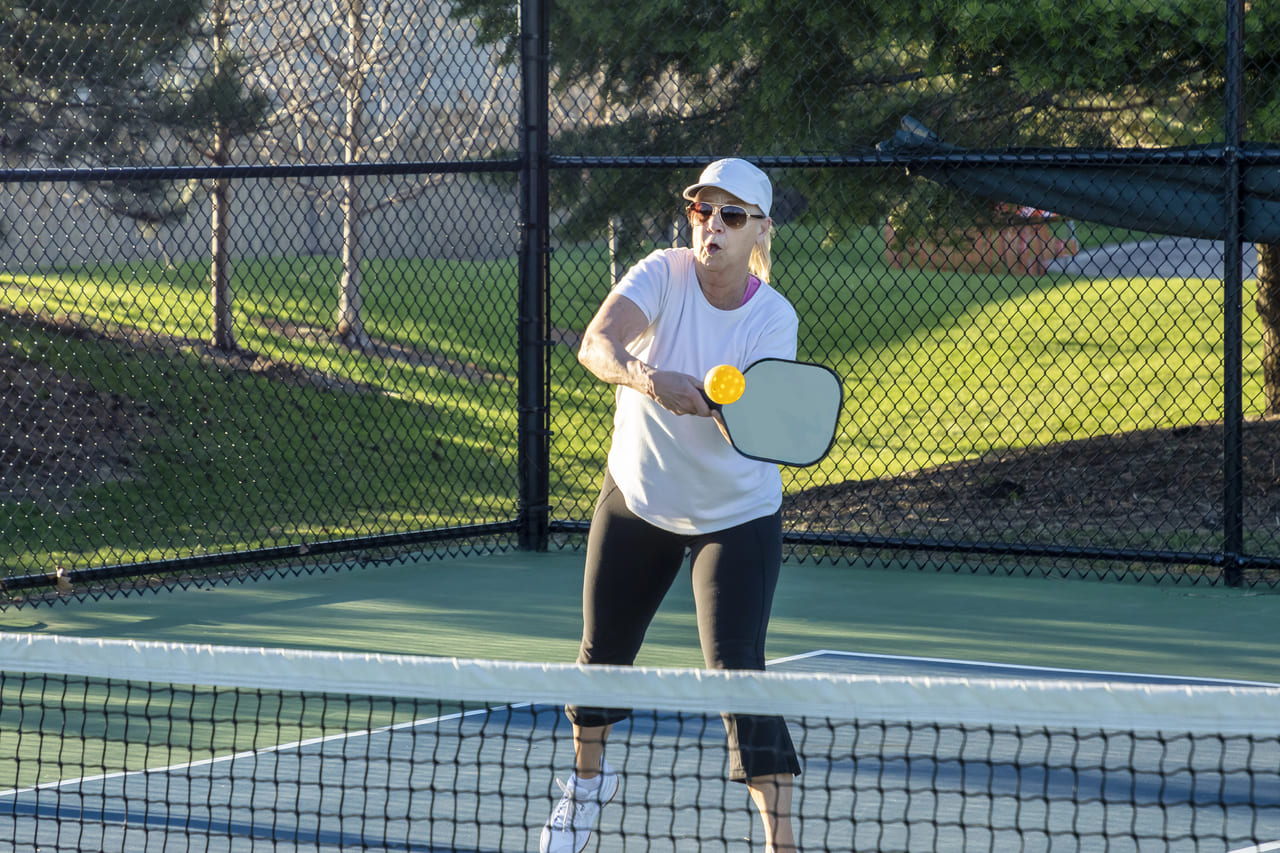
Pickleball is everywhere in Kelowna right now. And we love it.
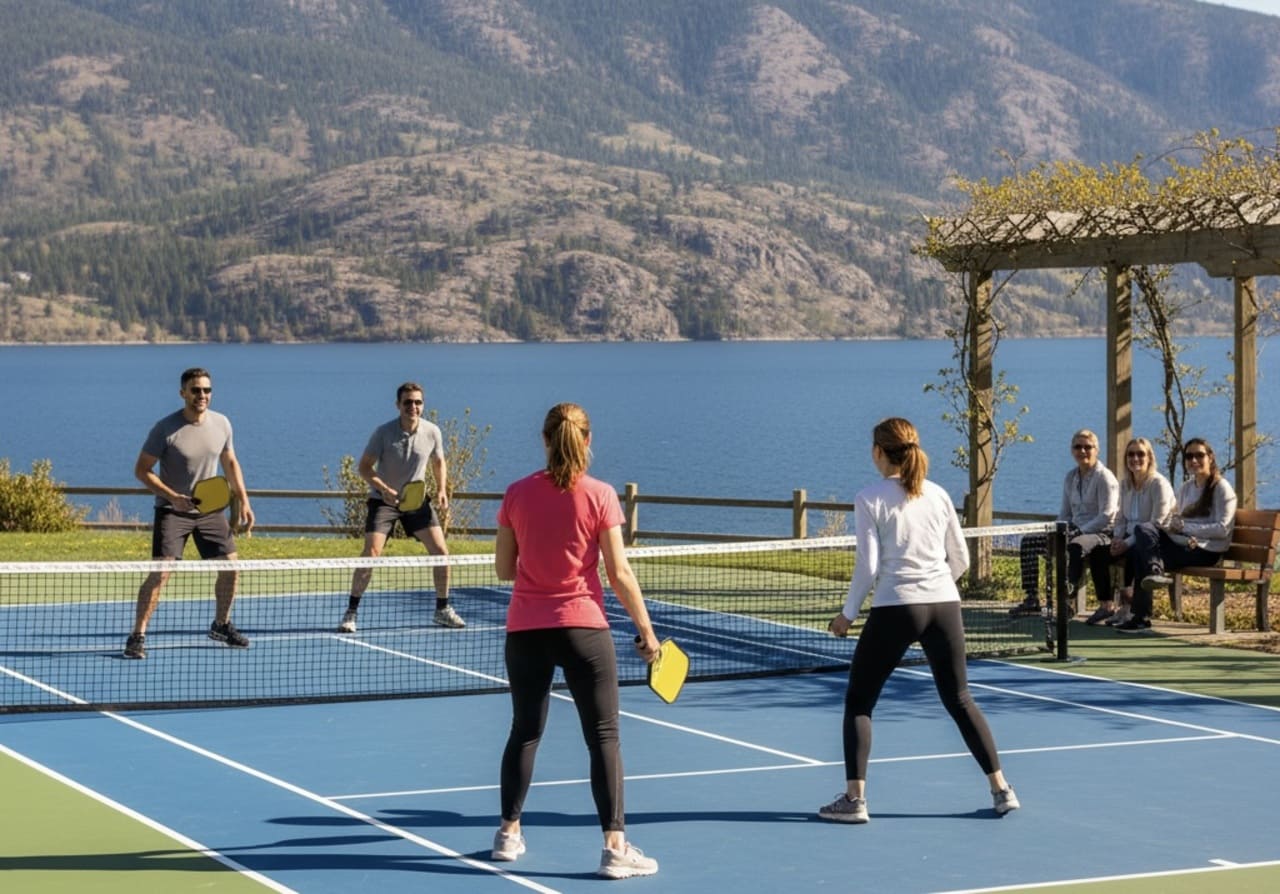
From the courts at Parkinson Recreation Centre to the indoor courts at YLW and Global Fitness, the Okanagan has embraced this sport with enthusiasm — and for good reason. It’s social, it’s fun, it’s accessible to players of all ages, and it gives you a real workout without feeling like one.
But here’s what we’re seeing at Affinity Wellness: pickleball injuries are on the rise.
As one of Kelowna’s busiest multidisciplinary health clinics, we’re treating more pickleball-related injuries every month — from weekend warriors dealing with elbow pain to active seniors managing ankle sprains and knee strain. Most of these injuries were preventable.
This post covers the most common pickleball injuries we’re seeing in our clinic, why they happen, and — most importantly — what you can do to stay on the court and out of our treatment rooms.
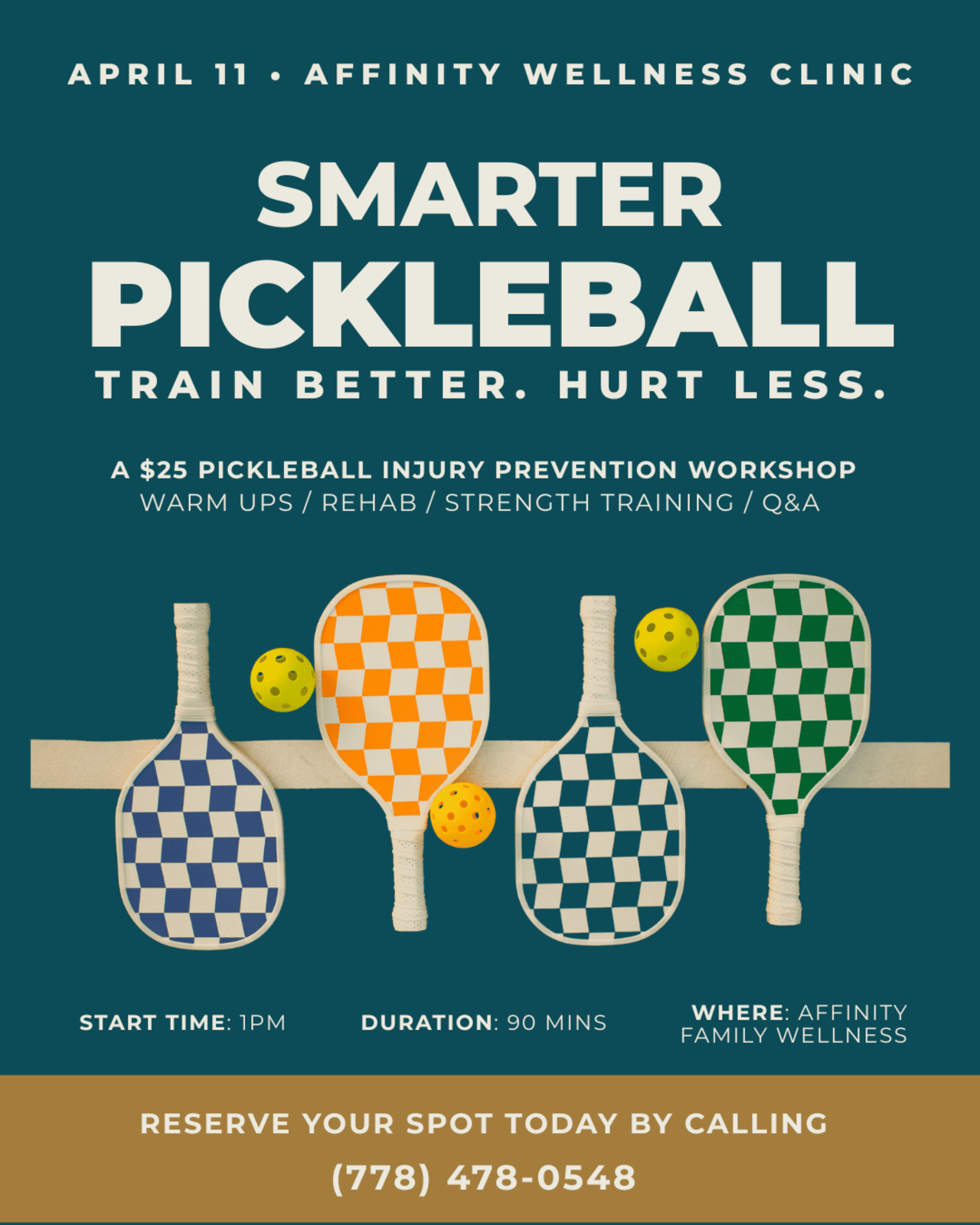
And if you want to go deeper: join us for our Pickleball Injury Prevention Workshop on Friday, April 11th. Details at the end of this post.
Why Pickleball Causes More Injuries Than People Expect
Pickleball has a reputation as a low-impact sport. And compared to tennis or squash, it is. But “low impact” doesn’t mean “no impact” — and the way pickleball is played creates some very specific physical demands that can catch players off guard.
Here’s what makes pickleball hard on the body:
- Rapid lateral movement. The court is small, which means you’re constantly making short, sharp side-to-side movements. This puts enormous stress on the ankles, knees, and hips — especially if your lower body strength and mobility aren’t where they need to be.
- Repetitive arm motion. Every serve, dink, and smash uses the same muscle groups over and over. The forearm, elbow, shoulder, and wrist are all exposed to repetitive strain — particularly if your technique isn’t efficient.
- Sudden stops and starts. Pickleball rallies are fast and unpredictable. You’re constantly accelerating, decelerating, and pivoting. Without adequate warm-up and lower body strength, this is a recipe for ankle sprains, Achilles problems, and knee injuries.
- The 55+ factor. One of pickleball’s greatest strengths is its appeal to older adults. But older bodies are less forgiving of the demands listed above. Reduced flexibility, slower tissue healing, and existing joint conditions all raise the injury risk for players over 50 — who make up a significant portion of Kelowna’s pickleball community.
 The 6 Most Common Pickleball Injuries We Treat in Kelowna
1. Pickleball Elbow (Lateral Epicondylitis)
You’ve heard of tennis elbow. Pickleball elbow is the same condition — inflammation of the tendons on the outside of the elbow — caused by repetitive paddle swinging and gripping.
It often starts as a mild ache after playing and gradually becomes pain that interferes with daily activities. Many players try to push through it. This almost always makes it worse.
How we treat it: Physiotherapy, shockwave therapy, and massage therapy are all effective for lateral epicondylitis. Treatment focuses on reducing inflammation, restoring tendon health, and correcting the mechanics driving the overuse.
How to prevent it: Use a paddle grip that fits your hand properly. Strengthen your forearm and wrist. Focus on technique — especially avoiding a “death grip” on the paddle. Warm up the elbow and forearm before play.
2. Rotator Cuff Injuries
The shoulder takes a beating in pickleball — particularly from overhead shots, smashes, and serving. The rotator cuff is a group of four muscles and tendons that stabilize the shoulder, and repetitive overhead motion is one of the most common ways to irritate or injure them.
Symptoms range from a dull ache during play to sharp pain with specific movements to weakness in the arm. Rotator cuff injuries that are ignored tend to become rotator cuff tears.
How we treat it: Physiotherapy is the primary treatment — combining manual therapy, targeted strengthening exercises, and modalities like dry needling or shockwave therapy for stubborn cases. Massage therapy helps reduce surrounding muscle tension.
How to prevent it: Strengthen the rotator cuff and shoulder stabilizers consistently, not just when they’re sore. Focus on posture — rounded shoulders increase rotator cuff injury risk significantly. Avoid playing through shoulder pain.
3. Ankle Sprains
The most common acute injury in pickleball. A sudden lateral step, an uneven court surface, or a misjudged lunge — and you’re rolling your ankle. Ankle sprains range from mild (a few days of soreness) to severe (ligament damage requiring weeks of rehabilitation).
What most people don’t know is that an incompletely rehabbed ankle sprain is one of the biggest risk factors for a future ankle sprain. If you’ve sprained your ankle before and didn’t do proper rehabilitation, your balance and proprioception — your body’s ability to sense position — may still be impaired.
How we treat it: Physiotherapy is essential for anything beyond a very mild sprain. Treatment restores strength, mobility, and balance — all of which are critical for returning to court safely and reducing the risk of re-injury.
How to prevent it: Wear court shoes with lateral support — running shoes are not designed for the sideways movements in pickleball. Work on single-leg balance and ankle stability exercises. Progress your activity level gradually if you’re new to the sport.
4. Knee Pain — Patellar Tendinopathy and Meniscus Strain
The constant bending, squatting, and pivoting in pickleball puts significant load through the knees. We see two main patterns: patellar tendinopathy (pain at the front of the knee from overloading the tendon) and meniscus irritation (pain at the joint line, often from twisting movements).
Players with underlying knee arthritis are particularly vulnerable to flare-ups after starting or increasing their pickleball activity.
How we treat it: Both physiotherapy and chiropractic are effective for knee pain — physio for rehabilitation and strengthening, chiro for joint mobility and alignment. Shockwave therapy can be helpful for patellar tendinopathy specifically.
How to prevent it: Build quad and glute strength — these are the primary muscles protecting your knees during play. Avoid playing on hard concrete surfaces if possible. Listen to your knees: pain during or after play that persists for more than a couple of days is worth getting assessed.
5. Achilles Tendinopathy
The Achilles tendon connects your calf muscles to your heel and absorbs enormous forces during running, jumping, and sudden acceleration. Pickleball’s explosive movements — particularly quick forward lunges to the kitchen line — load the Achilles heavily.
Achilles tendinopathy typically develops gradually, with morning stiffness at the back of the ankle progressing to pain during and after activity. Left untreated, it can progress to a partial or complete Achilles rupture — one of the most serious and debilitating injuries in sport.
How we treat it: Physiotherapy with a structured progressive loading program is the gold standard for Achilles tendinopathy. The evidence is clear that the Achilles needs to be loaded — not just rested — to recover properly.
How to prevent it: Calf strengthening — particularly eccentric heel drops — is the best-proven prevention strategy. Avoid sudden spikes in training volume. Replace footwear regularly.
6. Lower Back Pain
Pickleball involves constant rotation, bending, and lateral movement. For players with existing back stiffness or weakness in the core and glutes, this adds up quickly. We see lower back flare-ups frequently — especially in players who are new to the sport and playing more frequently than their bodies are ready for.
How we treat it: Both physiotherapy and chiropractic are effective for pickleball-related lower back pain, depending on the specific cause. Massage therapy is a strong complement for muscle-driven back pain.
How to prevent it: Core strength is the foundation. Not just “ab” exercises — true core stability involving the deep stabilizers. Hip mobility also plays a major role. If your hips are stiff, your lower back compensates.
5 Things You Can Do Right Now to Play Safer
- Warm up properly — every single time. Five minutes of light movement before you pick up a paddle makes a real difference. Start with brisk walking, then move through some hip circles, leg swings, shoulder rolls, and wrist rotations. Your body needs time to prepare for the demands of the court.
- Wear the right shoes. This is one of the most important and most overlooked factors in pickleball injury prevention. Court shoes — designed for multi-directional movement — offer lateral support that running shoes simply don’t have. If you’re playing regularly, invest in proper footwear.
- Build strength off the court. The players who stay injury-free are the ones who do strengthening work away from the court. Focus on calf strength, glute strength, quad strength, and rotator cuff stability. Even two sessions per week of targeted strength work makes a meaningful difference.
- Don’t ignore niggles. The most common story we hear in our clinic: “I felt it for a few weeks but kept playing, and then it got really bad.” Small problems are cheap to treat. Ignored small problems become expensive injuries. If something has been bothering you for more than two weeks, get it looked at.
- Progress gradually. If you’re new to pickleball, or coming back after time off, resist the temptation to play every day immediately. Your cardiovascular fitness may be fine — but your tendons, ligaments, and joints adapt more slowly than your lungs do. Build up your playing time gradually over several weeks.
Want to Learn More? Join Our Free Workshop — April 11th
We’re hosting a free Pickleball Injury Prevention Workshop at Affinity Wellness in Kelowna on Friday, April 11th.
Our physiotherapy and chiropractic team will cover:
- The most common pickleball injuries and why they happen
- A live warm-up and cool-down routine designed specifically for pickleball players
- Strength and mobility exercises to protect your most vulnerable areas
- How to recognize early warning signs before a niggle becomes an injury
- Q&A with our practitioners
When: Friday, April 11th Where: Affinity Wellness — 1890 Ambrosi Rd, Suite 2, Kelowna, BC Cost: Free Spots are limited — reserve your spot by calling (778) 478-0548 or emailing info@affinitywellness.ca
Whether you’ve been playing for years or just picked up a paddle for the first time, this workshop is for you. Bring your questions — and bring a friend.
 Already Dealing with an Injury?
Our physiotherapy and chiropractic teams at Affinity Wellness are accepting new patients. We also offer direct billing for most extended health plans and ICBC — so if your injury was sustained in a motor vehicle accident, we have you covered there too.
Book online 24/7, or call us at (778) 478-0548.
Written by the Clinical Team at Affinity Wellness, Kelowna, BC 1890 Ambrosi Rd, Suite 2 | (778) 478-0548 | affinitywellness.ca